Key Takeaways
- Commercial Finish: High-traffic venues should prefer Osmo Hardwax Oil or Bona Traffic HD for their moisture resistance and ease of local repair.
- Buffing Protocols: Monthly maintenance buffing with a Bona Flexisand and white pad removes micro-scratches before they penetrate the sealer.
- Spill Management: Gastropubs must address alcohol and acidic spills immediately to prevent ‘tannin pull’ and permanent wood staining.
- Moisture Control: UK humidity affects curing; commercial kitchens must ensure a ‘closed loop’ environment during the first 72 hours of refinishing.
- Furniture Protection: Heavy-duty high-density felt pads are mandatory for commercial seating to prevent mechanical finish failure.
The Problem: The aesthetic soul of a high-end British gastropub or boutique restaurant often resides in its flooring. Rich, warm oak floorboards create an atmosphere of heritage and quality. However, these floors face an environmental onslaught that domestic floors never experience: abrasive grit from street shoes, acidic food spills, high-volume alcohol contact, and the mechanical stress of thousands of chair movements. For many Kent business owners, the initial beauty of a restored floor fades into a patchy, grey, and stained surface within just 12 months.
The Agitation: A neglected commercial floor is more than a visual issue; it’s a branding and financial risk. Patchy, worn-out timber suggests a lack of attention to detail that can alienate discerning diners. Furthermore, once the protective finish is breached, moisture from cleaning mops or condensation can cause ‘grain raising’ and ‘tannin pull’—a chemical reaction that turns the wood black. At this stage, a simple ‘buff and coat’ is no longer possible, and the business faces the massive disruption and VAT-heavy expense of a full, multi-day sand-back to bare wood, potentially closing the venue and losing revenue.
The Solution: The Commercial Aftercare Protocol. By implementing a disciplined, technical maintenance regime using professional-grade equipment and finishes, venues can keep their floors in showroom condition indefinitely. This guide outlines the advanced strategies for maintaining premium wood floors in the UK hospitality sector, utilized by the expert tradesmen at Kent Floor Sanding.
Choosing the Right Shield: Osmo vs. Bona

The first line of defence is the choice of sealer. In high-traffic commercial environments, we diverge from domestic recommendations. While a standard lacquer might suffice for a bedroom, a pub floor needs either a high-performance two-component waterborne lacquer (Bona Traffic HD) or a premium Hardwax Oil (Osmo Polyx-Oil 3062).
- Bona Traffic HD: The ultimate film-forming finish. It offers unparalleled scratch resistance and is EN 14904 compliant for slip resistance. Ideal for venues that want a ‘set and forget’ solution for 3-5 years.
- Osmo Hardwax Oil: A penetrating finish that remains microporous. The critical advantage for restaurants is repairability. Scratches in a lacquered floor require the whole room to be recoated; scratches in an oiled floor can be sanded locally and re-oiled by the house maintenance team overnight.
The Power of the Buff: Bona Flexisand

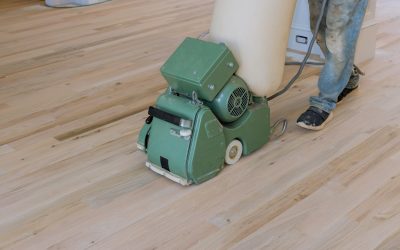
Commercial cleaning should never involve a steam mop—the high-pressure moisture forces grain raising and finish failure. Instead, professional maintenance relies on mechanical buffing. We utilize the Bona Flexisand with a white polishing pad. This process removes the micro-grit and scuff marks that act like sandpaper under footfall. For oiled floors, we use Osmo Liquid Wax Cleaner during the buffing pass, which cleans and regenerates the wax surface in one motion.
Pro-Tip: Grit Sequencing for Repairs. When a local scratch occurs in an oiled floor, don’t just pour oil on it. Lightly sand the area with 100-grit Silicon Carbide paper, followed by a quick pass with 120-grit. This ensures the grain is open enough to accept the new oil, preventing a ‘shiny patch’ that looks different from the surrounding floor.
Moisture and Tannin Pull: Technical Realities

In the UK’s humid climate, moisture management is critical during the curing window. Modern lacquers like Bona Traffic HD reach 90% cure within 24 hours, but full chemical resistance takes 72 hours. During this time, restaurant staff must not use water or cleaning chemicals on the floor. If a spill occurs, it must be blotted (not wiped) immediately.
Grain Raising and Water Popping: For high-end venues, we often ‘water pop’ the floor during the restoration phase. By lightly misting the raw timber with deionised water after the final sand, we raise the wood fibres uniformly. When the subsequent finish is applied, it penetrates deeper and binds more tightly, providing a much higher level of hydrophobic protection against drink spills and cleaning routines.
Conclusion: Protecting Your Brand’s Foundation
A well-maintained commercial wood floor is a silent testament to a venue’s quality. By adhering to a technical maintenance protocol—including monthly buffing and the use of pH-neutral cleaners—business owners can avoid the high cost of premature resanding. For more technical insights, explore our full wood floor maintenance guide or see how high-performance lacquers are used in sports facilities. If you are managing a heritage building, our guide to Victorian pine restoration offers essential advice on timber behaviour. For a comprehensive commercial survey and bespoke maintenance plan, visit our professional floor sanding and restoration home page.