Key Takeaways
- Heritage Focus: Victorian pine is delicate; professional tradesmen use specialized grit sequences to preserve the wear layer.
- Gap Filling: Reclaimed pine slivers are the only structural solution for 5mm+ gaps in UK period homes.
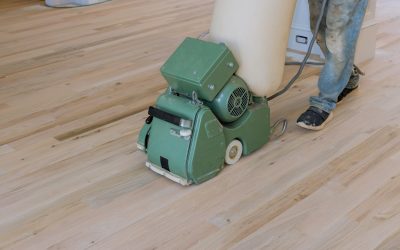
- Machine Precision: Dust-free Lagler Hummel and Trio sanders ensure a flat, mirror-smooth surface without drum marks.
- Finishing Choice: Osmo Hardwax Oil is superior for heritage aesthetics, offering breathability and easy spot repairs.
- Climate Care: UK humidity (above 65%) can double curing times; moisture content must be verified before sealing.
The Problem: Thousands of Victorian and Edwardian townhouses across Kent and London contain a hidden architectural gem: original pine floorboards. However, after a century of being buried under heavy carpets, bitumen, and multiple layers of ‘orange’ oil-based varnish, these boards often look unsalvageable. Cupping, deep scratches, and drafty gaps make many homeowners consider replacing them with modern laminates—a move that strips the property of its heritage value and character.
The Agitation: Attempting a ‘DIY’ restoration on heritage pine is a high-risk strategy. Hire-shop drum sanders are often poorly maintained and vibrate aggressively, leading to ‘dish-out’ (where the soft summer wood is sanded deeper than the hard winter grain) or deep ‘chatter marks’ that are impossible to hide. Furthermore, using incorrect fillers or supermarket-grade lacquers can lead to ‘tannin pull’ or cracking as the timber moves with the UK’s seasonal humidity. A botched job doesn’t just look poor; it can permanently thin the floorboards, reducing their life expectancy and incurring significant VAT-inclusive costs for professional correction.
The Solution: Professional heritage restoration. By utilizing advanced dust-free technology and a technical content-driven approach to sanding, specialist tradesmen can reclaim the natural beauty of Victorian pine. This guide details the high-end protocols used by Kent Floor Sanding to achieve a world-class finish that respects the history of your home while providing modern durability.
The Machinery of Heritage: Why Lagler Matters

Heritage restoration isn’t just about removing wood; it’s about precision. We exclusively use the Lagler Hummel—the world’s first and most famous belt sander. Unlike orbital sanders that can swirl, the Hummel’s continuous belt design ensures perfectly linear sanding that follows the grain of the timber. This is crucial for Victorian pine, which is significantly softer than oak.
Pro-Tip: The ‘Initial Cut’ Strategy. For uneven, cupped, or bitumen-covered boards, we start with a 40-grit Zirconia abrasive. Zirconia is cooler-running and tougher than standard alumina, preventing the bitumen from melting and clogging the belt. We sand at a 7-to-15 degree angle to the grain for the first pass—this flattens the peaks of cupped boards efficiently without exhausting the timber’s wear layer.
Gap Filling: The Superior Sliver Method
Victorian subfloors were built for functionality, not aesthetics. Over 150 years, the timber has seasoned and shrunk, leaving gaps that let in drafts and trap dust. While many general contractors use resin gap-filler (dust mixed with binder), this often fails on long-run pine boards because it is too brittle to handle seasonal expansion.
For a true heritage finish, we use Pine Slivers. These are tapered wedges of reclaimed Victorian pine, glued with D3-rated PVA glue and hammered into the gaps. Once dry, they are sanded flush. This provides a structural, flexible fill that moves with the floor and matches the age-related patina of the surrounding timber. It is a painstaking process, but it ensures a draft-free, aesthetically consistent floor that lasts decades.
The Refinement Phase: Grit Sequencing

After the initial 40-grit cut, the goal shifts from leveling to refinement. Skipping a grit level is the most common cause of visible ‘scratch trails’ in the final finish. Our technical sequence for pine is as follows:</p
- Pass 2 (60-grit): Removes the heavy scratches from the 40-grit Zirconia.
- Pass 3 (80-grit): The ‘smoothing’ pass that begins to close the grain.
- Pass 4 (100-grit/120-grit): Performed with a Lagler Trio or a multi-disc buffer. This stage creates a silk-smooth surface that is receptive to stains and oils without being so ‘burnished’ that the finish cannot penetrate.
Finishing: Osmo Hardwax Oil vs. Water-Based Lacquer
The choice of finish dictates the ‘soul’ of the room. In London townhouses and Kent cottages, we frequently recommend Osmo Polyx-Oil. Unlike lacquers that sit on top of the wood like a plastic film, hardwax oils penetrate deep into the fibres while leaving a protective, microporous wax surface.
Technical Consideration: UK Humidity. In the UK, indoor relative humidity often fluctuates between 40% and 70%. If the humidity is high, the curing process of oils can slow significantly. We ensure the timber’s moisture content is between 8-12% before any application. We apply two very thin coats using a microfibre roller, allowing a full 24 hours between passes to avoid ‘tannin pull’—where the natural resins in the pine react with the finish to create dark spots.
Conclusion: Preserving Architectural Integrity

Restoring a Victorian pine floor is an act of stewardship. A professionally sanded and oiled floor doesn’t just improve your daily living environment; it adds tangible value to your property. For more technical insights, explore our full guide to heritage timber restoration or see how professional sanding adds thousands to your property value. If you are also managing a commercial space, our sports hall restoration guide offers valuable cross-over information on high-durability lacquers. For a free site survey and assessment of your original floorboards, visit our home page for professional floor sanding and restoration services.