Key Takeaways
- Machine Power: Commercial floors require continuous belt sanders (Bona Belt) for a perfectly flat playing surface.
- Finish Grade: Use Bona Traffic HD or Junckers HP Sport for maximum slip resistance (EN 14904 compliant).
- Line Marking: Apply court lines between the second and third coats of lacquer for permanent protection.
- Curing Reality: Allow 72 hours for full chemical cure before high-intensity sports resume in UK humidity.
- Budgeting: Consider ‘screen and recoat’ every 2 years to avoid the cost of full sand-backs.
The Problem: School halls, community gyms, and leisure centres across the UK suffer from a common affliction: the ‘death of a thousand scuffs.’ Years of heavy footfall, indoor sports, and community events eventually wear through even the toughest industrial sealants. Once the wood is exposed, moisture from cleaning or humidity causes grey staining and splintering, turning a valuable asset into a health and safety liability.
The Agitation: A neglected sports floor isn’t just ugly; it’s dangerous. Worn finishes lose their slip resistance, leading to potential injuries for students and athletes. Furthermore, if you wait too long, ‘grain raising’ and ‘tannin pull’ can become so severe that the boards require replacement rather than just refinishing. This results in massive VAT-heavy capital expenditure and weeks of facility closure, frustrating local residents and school boards alike.
The Solution: Professional commercial floor sanding and renovation. By utilizing advanced dust-free technology and high-performance lacquers, facilities can restore their floors to better-than-new condition. This guide details the technical requirements for restoring Junckers, Granwood, and solid timber sports hall floors in the UK.
The Machinery of Scale: Bona Belt and Frank Spider

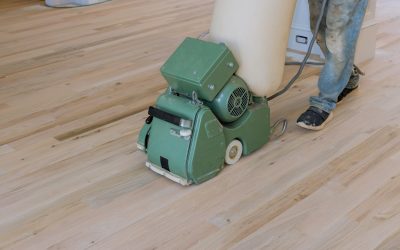
Domestic sanders simply cannot provide the ‘dead flat’ finish required for high-level basketball or badminton. We employ the Bona Belt—a 3hp beast that ensures perfect flatness across spans of 600 square metres or more. For the perimeters, the Bona Edge or Frank Spider is used to ensure the edges are consistent with the main body of the hall.
Grit Selection: Unlike domestic pine, commercial maple or oak boards are dense. We typically start with a 36-grit pass, followed by 50-grit, 80-grit, and finally a 100-grit multi-disc pass to ensure a flawless substrate for the lacquer. High-performance abrasives like Bona 8700 (ceramic) are used to cut through tough existing sport lacquers.
Meeting the EN 14904 Standard
In the UK, sports floors must meet European Standard EN 14904 for slip resistance and force reduction. We achieve this by using Bona Traffic HD. This two-component waterborne lacquer is the gold standard for high-traffic environments. It provides unparalleled durability and the specific coefficient of friction required for indoor sports.
Water Popping and Grain Raising: For certain timbers like Maple, we use ‘water popping’ after the final sand. By misting the floor, we open the wood cells, allowing the first coat of primer (like Bona Classic UX) to penetrate deeply. This prevents ‘side-bonding’—where boards stick together and crack during seasonal movement—and ensures a rich, uniform appearance.
Professional Line Marking and Court Restoration

A sports hall is useless without its lines. We apply professional line marking paints—specifically compatible with our chosen lacquers—between the second and third coats of Bona Traffic HD. This ‘sandwiches’ the paint, protecting it from the friction of trainers and equipment.
- Basketball: Black or Blue
- Badminton: White or Yellow
- Netball: Red
- Five-a-side: Green
Conclusion: Future-Proofing Your Hall
Commercial floor restoration is an investment in your facility’s future. A properly restored sports hall can last 10-15 years before needing a full sand-back, provided it receives biennial maintenance. For more on the difference between domestic and commercial work, read our restoration overview or our specific guide to community hall finishes. If you’re just starting to research, our heritage timber guide offers valuable insights into wood behaviour.